Ready to transform your kitchen experience? If you’re looking to buy an air fryer, you’re not alone. This countertop marvel has revolutionized the way we approach healthy eating and quick meal preparation, making it a must-have appliance for home cooks everywhere. Forget the days of greasy deep-fried foods; air fryers deliver that coveted crispy texture with a fraction of the oil, promising delicious results that align perfectly with a modern, health-conscious lifestyle.
As an Air Fryer expert with over a decade of experience optimizing recipes and exploring cutting-edge cooking trends, I’ve seen firsthand how these devices empower people to cook smarter, not harder. This guide is designed to cut through the noise, providing you with the insights you need to confidently choose the best air fryer for your unique culinary journey. Get ready to discover how to pick the perfect air fryer that will unlock a world of flavorful, healthy, and time-saving meals right in your own kitchen.
|
Our Picks for the Best Air Fryer in 2026
As an Amazon Associate I earn from qualifying purchases.
|
||
| Num | Product | Action |
|---|---|---|
| 1 | Ninja | Air Fryer | 4 QT Capacity | 4-in1 Roast, Crisp, Roast, Reheats, & Dehydrates | Dishwasher Safe Parts | Includes 20 Easy & Healthy Recipes | Compact | Grey | AF101 |

|
| 2 | Ninja DZ201 Foodi 8 Quart 6-in-1 DualZone 2-Basket Air Fryer with 2 Independent Frying Baskets, Match Cook & Smart Finish to Roast, Broil, Dehydrate & More for Quick, Easy Meals, Grey |
|
| 3 | Ninja DZ201 Foodi 8 Quart 6-in-1 DualZone 2-Basket Air Fryer with 2 Independent Frying Baskets, Match Cook & Smart Finish to Roast, Broil, Dehydrate & More for Quick, Easy Meals, Grey |
|
| 4 | Chefman Crispinator Air Fryer 6-in-1 with 8 Qt capacity, 450°F Max Temp with TurboFry Pro Technology for Fast and Even Results, Viewing Window, Nonstick Ceramic Basket |
|
| 5 | Cosori 9-in-1 TurboBlaze Air Fryer 6 Qt, Premium Ceramic Coating, 90°–450°F, Precise Heating for Even Results, Air Fry, Roast, Bake, Broil, Dry, Frozen, Proof, Reheat, Keep Warm, 120V, Dark Gray |
|
| 6 | Ninja | Air Fryer | 4-in-1 Pro Air Fry, Roast, Reheat, Dehydrate | 5QT Capacity fits up to 4lbs of French Fries | 400F Max Temp | Nonstick Basket & Crisper Plate | 120V | Grey | AF141 |
|
| 7 | Instant Pot Vortex Plus 6QT XL Air Fryer, 6-in-1, Broils, Dehydrates, Crisps, Roasts, Reheats, Bakes for Quick Easy Meals, 100+ In-App Recipes, Dishwasher-Safe, from the Makers of Instant Pot, Black |
|
| 8 | Nuwave Bravo Air Fryer Toaster Smart Oven, 10-in-1 Countertop Convection, 1800 Watts, 21-Qt Capacity, 50°-450°F Temp Controls, Top and Bottom Heater Adjustments 0%-100%, PFAS Free, Stainless Steel |
|
| 9 | Instant Pot 4Qt VORTEX 6-in-1 Mini Air Fryer, Custom Program Options, Air Fry, Broil, Roast, Dehydrate, Bake, Reheat, Black, 4 Quarts |
|
| 10 | Ninja Crispi Air Fryer, Microwave, Freezer & Dishwasher Safe, Non Toxic Glass Portable Cooking System, 4 QT & 6 Cup Glass Containers with Storage Lids, Easy Meals, Air Fry, Bake, Stone, FN101ST |
|
The Air Fryer Advantage: Why You Need One in Your Life
The appeal of air fryers goes far beyond just crispy fries. These versatile appliances offer a suite of benefits that make them an invaluable addition to any kitchen.
Healthier Cooking, Uncompromised Taste
One of the most compelling reasons to buy an air fryer is its ability to significantly reduce the amount of oil needed for cooking. Traditional frying methods can involve copious amounts of oil, leading to higher fat content. Air fryers, however, use heated air to achieve a similar crispy texture with little to no added oil, making your favorite “fried” foods a much healthier choice. Studies have even shown that air-fried foods can contain substantially lower levels of fat and up to 90% less acrylamide, a chemical that forms in starchy foods cooked at high temperatures.
Speed, Efficiency, and Unmatched Convenience
In today’s fast-paced world, time is a precious commodity. Air fryers excel at cooking food quickly and efficiently. They heat up faster than traditional ovens and can churn out meals in minutes, not hours. This convenience extends to their enclosed design, which helps contain odors and heat, keeping your kitchen cooler and fresher.
Crispy, Crunchy Perfection Every Time
Let’s be honest, that irresistible crunch is often what we crave. Air fryers are masters of crispiness, transforming everything from chicken wings and vegetables to frozen snacks into golden, satisfying dishes without the unhealthy oils typically required.
A Multitude of Culinary Possibilities
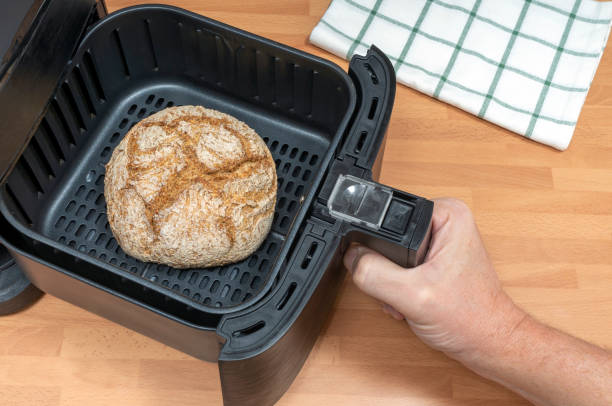
Don’t let the name “fryer” fool you. Modern air fryers are incredibly versatile. Depending on the model, they can bake, roast, grill, and even dehydrate, opening up a vast array of recipes beyond just “fried” items.
Decoding Air Fryer Technology: How These Kitchen Marvels Work
At its heart, an air fryer is a compact convection oven. It operates on a surprisingly simple yet effective principle:
A powerful heating element radiates intense heat into the cooking chamber. Simultaneously, a high-speed fan rapidly circulates this superheated, dry air around your food. This convection process creates a “Maillard reaction” on the food’s surface, similar to deep-frying, resulting in that delightful browning and crispy texture. The constant airflow also helps to “mist” any minimal oil used, ensuring even coverage and excellent results with minimal fat absorption.
Key Considerations When You Buy an Air Fryer
Choosing the right air fryer can feel a bit overwhelming with so many options available. To make an informed decision when you buy an air fryer, consider these crucial factors.
Size Matters: Choosing the Right Capacity for Your Household
The capacity of your air fryer, often measured in quarts or liters, is perhaps the most critical decision. It dictates how much food you can cook at once and is directly linked to your household size and cooking habits.
- 2-3 Quart (approx. 3 Liters): Ideal for singles or couples, perfect for small batches or reheating leftovers.
- 4-6 Quart (approx. 3.5-5 Liters): A popular choice for small families (3-4 people), allowing for larger portions of proteins or side dishes.
- 6+ Quart (approx. 5.8-7 Liters): Best for larger families (4+ people) or those who enjoy batch cooking and entertaining. Some models go up to 8 quarts or more.
“Choosing the right air fryer capacity is like choosing the right size pan for your stove. Too small, and you’ll spend all your time cooking in batches, which defeats the purpose of speedy cooking. Too large, and it might take longer to achieve that perfect crisp, or simply take up unnecessary counter space,” advises Chef Isabella Rossi, a seasoned culinary technologist and Air Fryer expert.
Basket, Oven, or Beyond? Understanding Air Fryer Styles
Air fryers come in various designs, each with its own advantages:
- Basket-Style: These are the most common, featuring a pull-out drawer with a basket. They are compact and excellent for single-layer cooking of items like fries, chicken pieces, or veggies. Many now offer dual baskets, allowing you to cook two different foods simultaneously at varying temperatures.
- Toaster Oven Style: These multi-functional appliances resemble traditional toaster ovens but include air frying capabilities. They offer larger capacities, often with multiple racks, and can handle roasting, baking, toasting, and even rotisserie functions, making them incredibly versatile but also larger on your countertop.
- Paddle (Self-Stirring) Air Fryers: These models feature a rotating paddle that stirs your food, ensuring even cooking without manual shaking. While convenient, they might be more expensive and limit the types of food you can cook.
- Infrared Air Fryers: A newer innovation, some infrared models boast InfraHeat™ technology for more direct, precise, and faster cooking. They often feature durable metal housing to prevent unpleasant plastic odors sometimes associated with lower-quality plastic units.
Manual vs. Digital Controls: What’s Your Preference?
Your choice of controls impacts ease of use and precision:
- Manual Controls: These typically feature simple dials for temperature and time, making them straightforward to operate. They are often more affordable and robust.
- Digital Controls: Offering more automation and precision, digital air fryers usually come with preset programs for various foods, digital displays, and fine-tuned temperature and time adjustments. They tend to be at a higher price point but offer greater convenience and accuracy.
Power and Performance: Watts and Temperature Ranges
The wattage of an air fryer indicates its heating power. A higher wattage generally means faster preheating and more efficient cooking. Many experts recommend looking for models with at least 1300W, with some suggesting 1600W or higher for optimal performance. A good temperature range (e.g., 160-220°C or 320-430°F) ensures versatility for different recipes.
Effortless Cleanup: Prioritizing Easy-to-Clean Features
Nobody enjoys a difficult cleanup. When you buy an air fryer, look for models with non-stick surfaces and dishwasher-safe components like baskets and trays to simplify maintenance. Cleaning immediately after use with hot, soapy water helps prevent food residue from caking on.
Beyond Frying: Multi-Functional Features to Look For
Many modern air fryers offer more than just air frying. Look for additional functions such as roasting, baking, broiling, dehydrating, and even a “crispy finish” option that adds a final burst of heat for ultimate crunch. These features can help consolidate your kitchen appliances and maximize counter space.
Budgeting for Your Air Fryer Investment
Air fryers are available across a wide price spectrum. You can find basic manual models for a modest price, while larger, dual-basket digital units with advanced features will naturally cost more. Balance your budget with the features that are truly important to your cooking needs, remembering that value often comes from a combination of features and durability.
Space in Your Kitchen: Countertop and Storage
Before you buy an air fryer, measure your available countertop and storage space. Air fryers, especially the larger oven-style models, can take up significant room. Consider whether it will be a permanent fixture on your counter or if you’ll need cupboard space to store it when not in use.
Safety First: Essential Features for Peace of Mind
Air fryers are generally safer than deep-fat fryers, but it’s wise to look for safety features such as non-slip feet, automatic shut-off, cool-touch exteriors, and secure locking lids or baskets to ensure safe operation every time.
Getting Started: Tips for Your New Air Fryer
Once you’ve made the smart decision to buy an air fryer, a few simple tips will help you get the most out of it:
- Initial Run: Many new air fryers have a “new appliance” smell. Run your air fryer empty for 10-15 minutes a few times before cooking food to dissipate any manufacturing odors.
- Don’t Overcrowd: For optimal crispiness and even cooking, avoid piling food. Cook in a single layer or in batches to allow hot air to circulate freely around each piece.
- A Little Oil Goes a Long Way: While air frying uses minimal oil, a light mist of olive oil on drier foods like vegetables or chicken can enhance crispiness and flavor. An oil sprayer is a worthwhile accessory for even coating.
- Shake and Flip: Remember to shake the basket or flip items halfway through cooking for consistent results, unless your model has a self-stirring function.
- Handy Accessories: Consider investing in accessories like tongs, silicone basket liners, and metal racks to expand your cooking options and simplify cleanup.
Air Fryer FAQs: Your Burning Questions Answered
When people decide to buy an air fryer, they often have similar questions. Here are some of the most common ones:
How often should I clean my air fryer?
You should clean your air fryer’s basket and tray after every use, especially after cooking greasy foods. For light use, wiping it down might suffice, but a thorough wash keeps it hygienic and performing optimally.
Can I use foil or parchment paper in my air fryer?
Yes, you can use parchment paper or aluminum foil in an air fryer to catch crumbs and make cleanup easier. However, always ensure it is weighed down by food and does not block airflow or come into contact with the heating element, especially during preheating.
Are air fryers truly healthier than deep frying?
Absolutely. Air fryers significantly reduce the need for oil, leading to foods with less fat and potentially fewer harmful compounds like acrylamide compared to deep-frying. It’s the cooking method that makes the difference, supporting a healthier lifestyle.
What’s the best wattage for an air fryer?
For most home cooks, an air fryer with 1300 to 1600 watts offers a good balance of speed and efficiency. Higher wattage generally means faster heating and more consistent results.
Can an air fryer replace my traditional oven?
While air fryers are incredibly versatile for many tasks, they are best suited for smaller portions and specific types of cooking. For large roasts or baking multiple items, your traditional oven will still be necessary. However, for quick meals and sides, an air fryer can often be more energy-efficient and faster than preheating a large oven.
Conclusion
The decision to buy an air fryer is an investment in healthier eating, greater convenience, and delicious meals. By considering factors like size, style, controls, power, and ease of cleaning, you can confidently select the perfect model that aligns with your household’s needs and culinary ambitions.
Armed with this expert advice, you’re now ready to navigate the market and find your ideal kitchen companion. Embrace the air fryer revolution, experiment with new recipes, and savor the crispy, flavorful results that await you. Happy air frying!