Once primarily a staple of home kitchens, the air fryer has transcended its domestic roots, emerging as a game-changer in the bustling world of professional food service. The commercial air fryer is swiftly redefining how restaurants, cafes, and catering businesses approach frying, offering a compelling blend of efficiency, health benefits, and operational savings that traditional methods simply can’t match. In an industry constantly seeking innovation, understanding the power of a commercial air fryer is no longer an option, but a necessity for staying competitive and meeting evolving customer demands for healthier, high-quality cuisine.
|
Our Picks for the Best Air Fryer in 2026
As an Amazon Associate I earn from qualifying purchases.
|
||
| Num | Product | Action |
|---|---|---|
| 1 | Cosori 9-in-1 TurboBlaze Air Fryer 6 Qt, Premium Ceramic Coating, 90°–450°F, Precise Heating for Even Results, Air Fry, Roast, Bake, Broil, Dry, Frozen, Proof, Reheat, Keep Warm, 120V, Dark Gray |

|
| 2 | Chefman Crispinator Air Fryer 6-in-1 with 8 Qt capacity, 450°F Max Temp with TurboFry Pro Technology for Fast and Even Results, Viewing Window, Nonstick Ceramic Basket |
|
| 3 | Instant Pot 4Qt VORTEX 6-in-1 Mini Air Fryer, Custom Program Options, Air Fry, Broil, Roast, Dehydrate, Bake, Reheat, Black, 4 Quarts |
|
| 4 | Ninja DZ201 Foodi 8 Quart 6-in-1 DualZone 2-Basket Air Fryer with 2 Independent Frying Baskets, Match Cook & Smart Finish to Roast, Broil, Dehydrate & More for Quick, Easy Meals, Grey |
|
| 5 | Ninja Crispi Air Fryer, Microwave, Freezer & Dishwasher Safe, Non Toxic Glass Portable Cooking System, 4 QT & 6 Cup Glass Containers with Storage Lids, Easy Meals, Air Fry, Bake, Stone, FN101ST |
|
| 6 | Instant Pot Vortex Plus 6QT XL Air Fryer, 6-in-1, Broils, Dehydrates, Crisps, Roasts, Reheats, Bakes for Quick Easy Meals, 100+ In-App Recipes, Dishwasher-Safe, from the Makers of Instant Pot, Black |
|
| 7 | Nuwave Bravo Air Fryer Toaster Smart Oven, 10-in-1 Countertop Convection, 1800 Watts, 21-Qt Capacity, 50°-450°F Temp Controls, Top and Bottom Heater Adjustments 0%-100%, PFAS Free, Stainless Steel |
|
| 8 | Ninja | Air Fryer | 4 QT Capacity | 4-in1 Roast, Crisp, Roast, Reheats, & Dehydrates | Dishwasher Safe Parts | Includes 20 Easy & Healthy Recipes | Compact | Grey | AF101 |
|
| 9 | Ninja | Air Fryer | 4-in-1 Pro Air Fry, Roast, Reheat, Dehydrate | 5QT Capacity fits up to 4lbs of French Fries | 400F Max Temp | Nonstick Basket & Crisper Plate | 120V | Grey | AF141 |
|
| 10 | Ninja DZ201 Foodi 8 Quart 6-in-1 DualZone 2-Basket Air Fryer with 2 Independent Frying Baskets, Match Cook & Smart Finish to Roast, Broil, Dehydrate & More for Quick, Easy Meals, Grey |
|
What is a Commercial Air Fryer and How Does It Work?
At its core, a commercial air fryer is a sophisticated piece of kitchen equipment designed to replicate the crispy textures of deep-fried foods using superheated circulating air, with little to no oil. Unlike its household counterpart, a commercial air fryer is built for durability, larger capacities, and rigorous, continuous use in a professional setting. [cite: 1, 2, 4 (search result 1)]
The technology behind it is a marvel of culinary engineering. These units combine powerful convection fans with radiant heating elements, creating a concentrated whirlwind of hot air that envelops food from all angles. This intense, even heat rapidly cooks the food while drawing out moisture, facilitating the Maillard reaction—a chemical process responsible for the golden-brown color and irresistible crispiness we associate with fried dishes. [cite: 4 (search result 3), 5 (search result 3)] The result? Foods that boast the satisfying crunch of traditional frying, but with significantly less fat and calories. [cite: 5 (search result 3)]
The Unbeatable Benefits of a Commercial Air Fryer for Your Business
Incorporating a commercial air fryer into your kitchen lineup offers a multitude of advantages that can positively impact your bottom line and enhance your culinary offerings.
Enhanced Efficiency and Speed
In the fast-paced environment of a commercial kitchen, speed is paramount. Commercial air fryers excel at rapidly cooking a variety of items, from frozen fries and chicken wings to roasted vegetables and appetizers. [cite: 1, 3 (search result 2)] This quick turnaround means shorter waiting times for customers and increased throughput during peak hours, allowing your staff to manage orders more efficiently and boost overall productivity. [cite: 2 (search result 2), 3 (search result 2)]
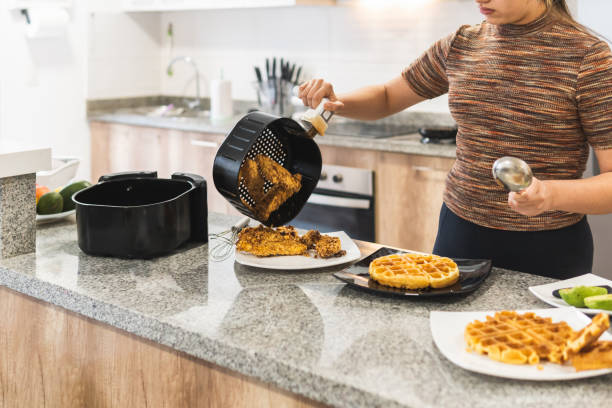
Healthier Menu Options
One of the most compelling reasons to invest in a commercial air fryer is its ability to deliver healthier food options. By using little to no oil, air-fried dishes can significantly reduce fat content and calories compared to deep-fried alternatives, some studies suggesting a reduction of 70% to 80% in calorie intake. [cite: 5 (search result 3)] This aligns perfectly with the growing demand for wellness-focused dining, enabling businesses to cater to health-conscious patrons without compromising on taste or texture. [cite: 1 (search result 2), 5 (search result 3)] Moreover, air frying can lower the formation of harmful substances like acrylamide by up to 90%. [cite: 2, 5 (search result 3)]
Significant Cost Savings
The financial benefits of a commercial air fryer are substantial and long-term.
- Reduced Oil Expenses: Traditional deep fryers require large volumes of cooking oil, which is a significant ongoing expense. Air fryers drastically cut down on oil consumption, often needing just a tablespoon or a light spritz, virtually eliminating the costs associated with purchasing, filtering, and disposing of used oil. [cite: 2, 3, 4 (search result 3)]
- Lower Energy Consumption: Commercial air fryers are typically more energy-efficient than large ovens or deep-fat fryers. Their targeted hot air circulation and faster cooking times can translate into reduced energy bills, with some advanced models using up to 50% less energy than traditional deep fryers. [cite: 4 (search result 2), 3 (search result 3)]
- Less Labor for Cleaning: Cleaning a deep fryer is a laborious and time-consuming task. Commercial air fryers, with their removable, often dishwasher-safe components and lack of vast oil vats, are significantly easier and quicker to clean, saving on labor hours. [cite: 3 (search result 3), 1 (search result 5)]
Improved Kitchen Safety
Working with vats of hot oil poses a significant safety risk for kitchen staff, with burns being a common industry injury. [cite: 4 (search result 3)] A commercial air fryer dramatically mitigates this risk by cooking food in a contained space with minimal hot oil, creating a safer working environment and potentially lowering insurance costs. [cite: 4 (search result 3), 3 (search result 3)]
Versatile Menu Expansion
Beyond traditional “fried” items, the versatility of a commercial air fryer allows for a diverse menu. These appliances can roast vegetables, bake desserts, re-heat pizzas, and cook a wide array of frozen foods, providing opportunities to innovate and expand your menu without needing additional specialized equipment. [cite: 1 (search result 2), 4 (search result 2)]
Space Optimization and Ventless Operation
For kitchens with limited space, a compact commercial air fryer can be a godsend. Many models offer a smaller footprint compared to traditional fryers. Furthermore, ventless greaseless air fryers don’t require expensive exhaust hoods, saving on installation and operational costs and allowing for greater flexibility in kitchen layout. [cite: 1 (search result 1), 4 (search result 2), 1 (search result 3)]
Commercial Air Fryers vs. Traditional Deep Fryers: A Head-to-Head Battle
The choice between a commercial air fryer and a traditional deep fryer is a crucial one for many food service operators. While deep fryers have been a kitchen staple for decades, air fryers present a compelling alternative.
Flavor and Texture
Deep fryers submerge food in hot oil, creating a distinct crispy exterior and often a rich, indulgent flavor. Air fryers aim to replicate this by circulating intensely hot air, achieving a similar crispness, often described as lighter and less greasy. For items like French fries, the air fryer can yield a more authentic potato flavor, though pre-cut fries, which are often flash-fried before packaging, may perform better in a deep fryer for some preferences. [cite: 1 (search result 3)]
Operational Costs
This is where the commercial air fryer often shines. As discussed, the reduced oil consumption leads to substantial long-term savings. Deep fryers, while sometimes cheaper upfront, incur significant ongoing costs for oil purchasing, filtering, and disposal. Air fryers also tend to be more energy-efficient due to shorter cooking times and the mechanism of heating air versus a large vat of oil. [cite: 2, 3 (search result 3)]
Health and Safety
The health and safety advantages of a commercial air fryer are undeniable. The minimal use of oil results in healthier dishes with fewer calories and fats, aligning with contemporary dietary trends. From a safety perspective, the absence of large quantities of scalding hot oil significantly reduces the risk of severe burns, making the kitchen a safer place for employees. [cite: 4 (search result 3), 5 (search result 3)]
Production Volume
Historically, one perceived drawback of air fryers for commercial use was their lower production volume compared to large deep fryers. Traditional deep fryers can cook significant quantities, ranging from 40 to 160 pounds of food per hour. [cite: 1 (search result 3)] However, modern commercial air fryers, especially larger capacity and dual-basket models, are designed to handle higher volumes and batch cooking, making them increasingly viable for busy establishments. Multi-cook ovens with air frying capabilities can also offer increased throughput. [cite: 2 (search result 2), 5 (search result 3)]
“Many operators are finding that the efficiencies gained in oil savings, safety, and healthier menu offerings far outweigh the initial investment or any perceived limitations in volume, especially with advancements in commercial air fryer technology,” notes Chef Julian Thorne, a renowned culinary equipment consultant.
Choosing the Right Commercial Air Fryer for Your Needs
Selecting the ideal commercial air fryer requires careful consideration of your business’s specific requirements.
Capacity and Size
Commercial air fryers come in various sizes and capacities. Countertop models are perfect for smaller operations like food trucks, cafes, or snack stands, offering a compact solution. [cite: 2 (search result 4)] Larger capacity or floor models are designed for high-volume restaurants and quick-service establishments that need to cook bigger batches simultaneously. Dual-basket options can further enhance efficiency by allowing different items to cook at varying temperatures or times. [cite: 1 (search result 1), 2 (search result 4)]
Features and Functionality
Look for features that streamline operations. Adjustable temperature controls are crucial for precision cooking across diverse menu items. Timer functions are essential for managing multiple dishes and preventing overcooking. Programmable settings and digital interfaces can standardize recipes and reduce training time for new staff. Some models even offer multi-cook capabilities, expanding their utility beyond just air frying. [cite: 2 (search result 4)]
Durability and Build Quality
Commercial kitchens are demanding environments. Prioritize models built with heavy-duty materials, such as stainless steel, designed to withstand continuous, rigorous use. Durability directly impacts the lifespan of the appliance and minimizes costly downtime for repairs. [cite: 1 (search result 2)]
Energy Efficiency
Opting for an energy-efficient commercial air fryer can lead to significant long-term savings on utility bills. Models that quickly reach and maintain temperature, circulate air effectively, and have insulated designs will consume less power, contributing to a more sustainable and cost-effective operation. [cite: 4 (search result 2)]
Maximizing Your Commercial Air Fryer: Tips and Tricks
To get the most out of your commercial air fryer and consistently deliver delicious results, consider these expert tips:
- Preheat Properly: Just like an oven, preheating your air fryer ensures food starts cooking at the correct temperature, leading to more even and crispy results.
- Don’t Overcrowd: While commercial units have larger capacities, avoid stuffing the basket. Overcrowding restricts hot air circulation, resulting in unevenly cooked and less crispy food. Cook in batches if necessary.
- Use a Light Oil Spray: While air fryers use minimal oil, a light spray or toss of food with a teaspoon of oil can enhance crispiness, browning, and flavor, especially for fresh ingredients.
- Shake or Flip Regularly: For items like fries or wings, shaking the basket or flipping food halfway through cooking ensures all sides are exposed to the circulating hot air, promoting uniform crispness.
- Batch Cooking for Consistency: Plan your menu and workflow to utilize the commercial air fryer’s batch cooking capabilities during peak times. This ensures consistent quality across all servings.
Keeping Your Commercial Air Fryer in Top Shape: Maintenance and Cleaning
Regular maintenance and thorough cleaning are non-negotiable for ensuring the longevity, performance, and food safety of your commercial air fryer. [cite: 1, 2 (search result 5)]
Daily Routine
For commercial food businesses, daily cleaning after each service period is mandatory to prevent grease and food particle buildup and avoid cross-contamination. [cite: 1, 3 (search result 5)]
- Power Down Safely: Always turn off and unplug the air fryer before starting any cleaning process. Allow it to cool completely. [cite: 1, 3 (search result 5)]
- Remove Removable Parts: Detach the cooking basket, drip tray, and any other easily removable components. [cite: 1 (search result 5)]
- Brush Off Loose Residue: Use a soft-bristle brush to sweep away crumbs and deposits.
- Wipe Down: Use a clean, damp cloth and a non-toxic, food-safe cleaning solution to wipe all surfaces, inside and out, including both sides of removable parts. [cite: 1 (search result 5)]
- Wash and Sanitize: Wash removable parts with warm, soapy water. Rinse thoroughly and sanitize according to local health guidelines. [cite: 1 (search result 5)]
- Dry Completely: Allow all components to air dry or pat them dry with a clean towel before reassembly to prevent moisture-related issues. [cite: 1 (search result 5)]
Weekly Deep Clean
Schedule a weekly deep clean to tackle any accumulated grease on heating elements and fan covers, ensuring optimal airflow and performance. [cite: 3 (search result 5)] This involves a more thorough disassembly of internal parts where possible (always refer to the manufacturer’s manual). Use appropriate, food-safe degreasers and non-abrasive tools to gently remove stubborn, baked-on residues.
Important Safety and Longevity Tips
- Avoid Harsh Chemicals: Do not use metal brushes, abrasive scourers, or harsh chemical agents that can damage non-stick coatings or internal components. [cite: 3 (search result 5)]
- Regular Inspections: Periodically check electrical cords for damage, and inspect seals, basket alignment, and the stability of handles and latches. [cite: 3 (search result 5)]
- Professional Servicing: Partner with qualified technicians for scheduled maintenance and calibration checks, especially for commercial units, to ensure accurate temperature control and prevent costly breakdowns. [cite: 3 (search result 5)]
Frequently Asked Questions About Commercial Air Fryers
Are commercial air fryers worth the investment for restaurants?
Absolutely. While the upfront cost for a quality commercial air fryer can be higher than a basic deep fryer, the long-term savings on oil, energy, labor, and the ability to offer healthier menu items often lead to a significant return on investment (ROI) for restaurants and food businesses. [cite: 3 (search result 3)]
What kind of foods can I cook in a commercial air fryer?
A commercial air fryer is incredibly versatile. It excels at making crispy french fries, chicken wings, onion rings, and other traditionally fried snacks. Beyond that, it can perfectly roast vegetables, cook fish, chicken, pizza, and even bake some desserts, making it a multi-functional appliance for any commercial kitchen. [cite: 4 (search result 3)]
Do commercial air fryers need venting?
Many commercial air fryer models are designed to be ventless, thanks to their greaseless operation. This eliminates the need for expensive exhaust hood installations, offering greater flexibility in kitchen layout and significant cost savings for businesses. [cite: 1 (search result 1), 4 (search result 2), 1 (search result 3)]
How often should I clean my commercial air fryer?
For commercial settings, daily cleaning of removable parts like baskets and trays is essential after each service period to ensure food safety and consistent performance. A deep clean, including heating elements and fans, should be performed at least weekly, or more frequently for high-volume operations. [cite: 3 (search result 5)]
Are air-fried foods truly healthier?
Yes, air-fried foods are generally considered much healthier than their deep-fried counterparts. By using significantly less oil, they contain fewer calories and fat. Additionally, air frying can reduce the formation of certain harmful compounds like acrylamide, which are often produced during high-temperature deep frying. [cite: 2, 5 (search result 3)]
Conclusion
The commercial air fryer has firmly established itself as an indispensable tool in the modern food service industry. By offering a potent combination of operational efficiency, cost-effectiveness through reduced oil and energy consumption, enhanced kitchen safety, and the ability to provide healthier yet delicious menu items, it empowers businesses to meet the evolving demands of today’s discerning diners. Embracing this technology is more than just an equipment upgrade; it’s a strategic move toward a more sustainable, profitable, and health-conscious culinary future. It’s time to unlock the full potential of air frying and transform your commercial kitchen.